
Our Vineyards
From Estate vineyards across Stone Well, Gnadenfrei and Greenock CreekAs farmers of our land, we continuously strive to reach its highest value. From estate vineyards across Stone Well, Gnadenfrei and Greenock Creek, our wines are uncompromised by intervention, retaining the personality and unique terroir of their origins. Famous for producing wines of great richness and longevity, the soils of the Western Ridge are the oldest in the Barossa.
Great wine reflects great fruit. With sustainable practice underpinning all that we do, it is our focus to nurture this land for generations to come. Organic and biodynamic farming is not our point of difference, but it will soon become an expectation. Working with our natural resources has rewarded us with a biodiversity and soil vitality that lead to happy, healthy vines.
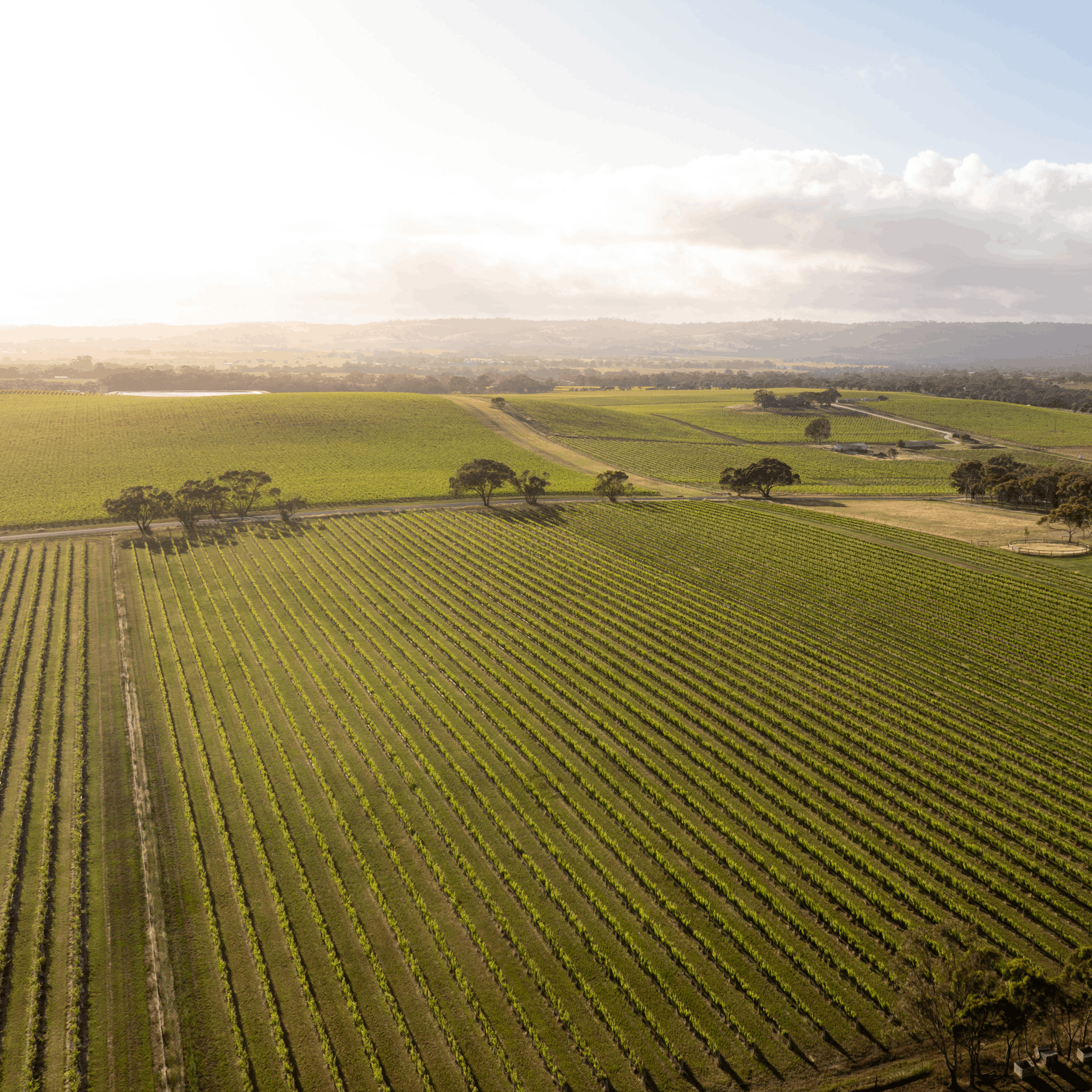
Stone Well Vineyard
Elevation 286m
Established 2001
16.6 hectares under vine
Established in 2001 and home to the Tscharke winery, Stone Well sits at 286 metres above sea level on the Western Ridge of the Barossa. With average annual rainfall of 510mm and gently undulating north-westerly and south-westerly aspects, the site benefits from natural airflow and balanced sun exposure throughout the growing season.
Clay loam over red medium clay soils provide structure and water-holding capacity, supporting low yields of around 5 tonnes per hectare. Across 16.6 hectares under vine, Stone Well grows Mataro, Shiraz, Montepulciano, Grenache, Savagnin and Albariño varieties well suited to the site’s elevation, soil profile and seasonal rhythm.
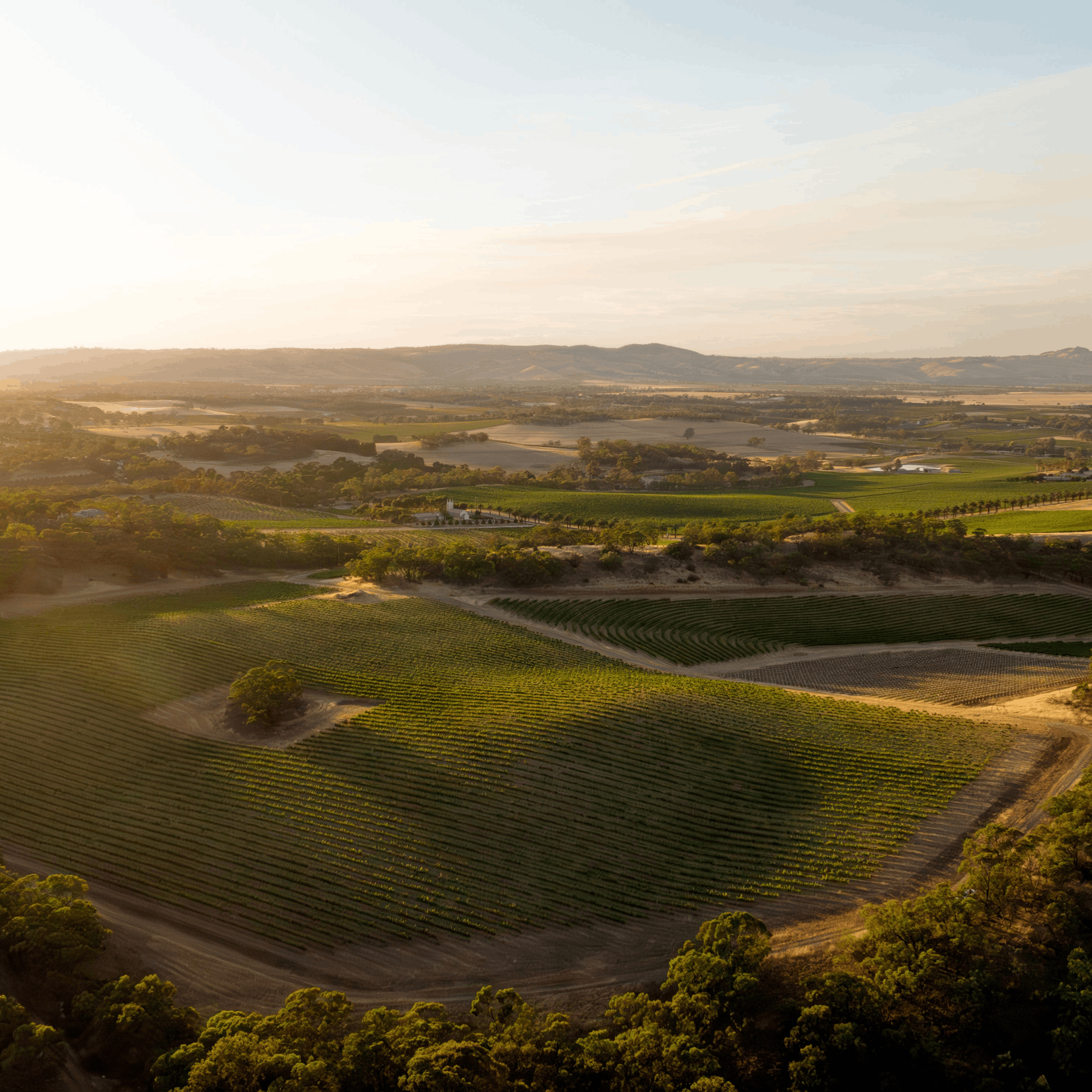
Gnadenfrei North
Elevation 300m
Established 2017
9.1 hectares under vine
Established in 2017, Gnadenfrei North sits at 300 metres elevation on the Western Ridge, with average annual rainfall of 500mm. Its easterly-facing, terraced slopes capture gentle morning light while avoiding harsh afternoon heat, allowing fruit to ripen steadily and retain natural freshness.
Sandy clay loam over red clay soils provide both drainage and depth, encouraging vine balance and resilience. With yields averaging 4 tonnes per hectare across 9.1 hectares under vine, the site produces Shiraz, Grenache, Mataro and Grenache Blanc — varieties shaped by elevation, aspect and the quiet strength of this hillside block.
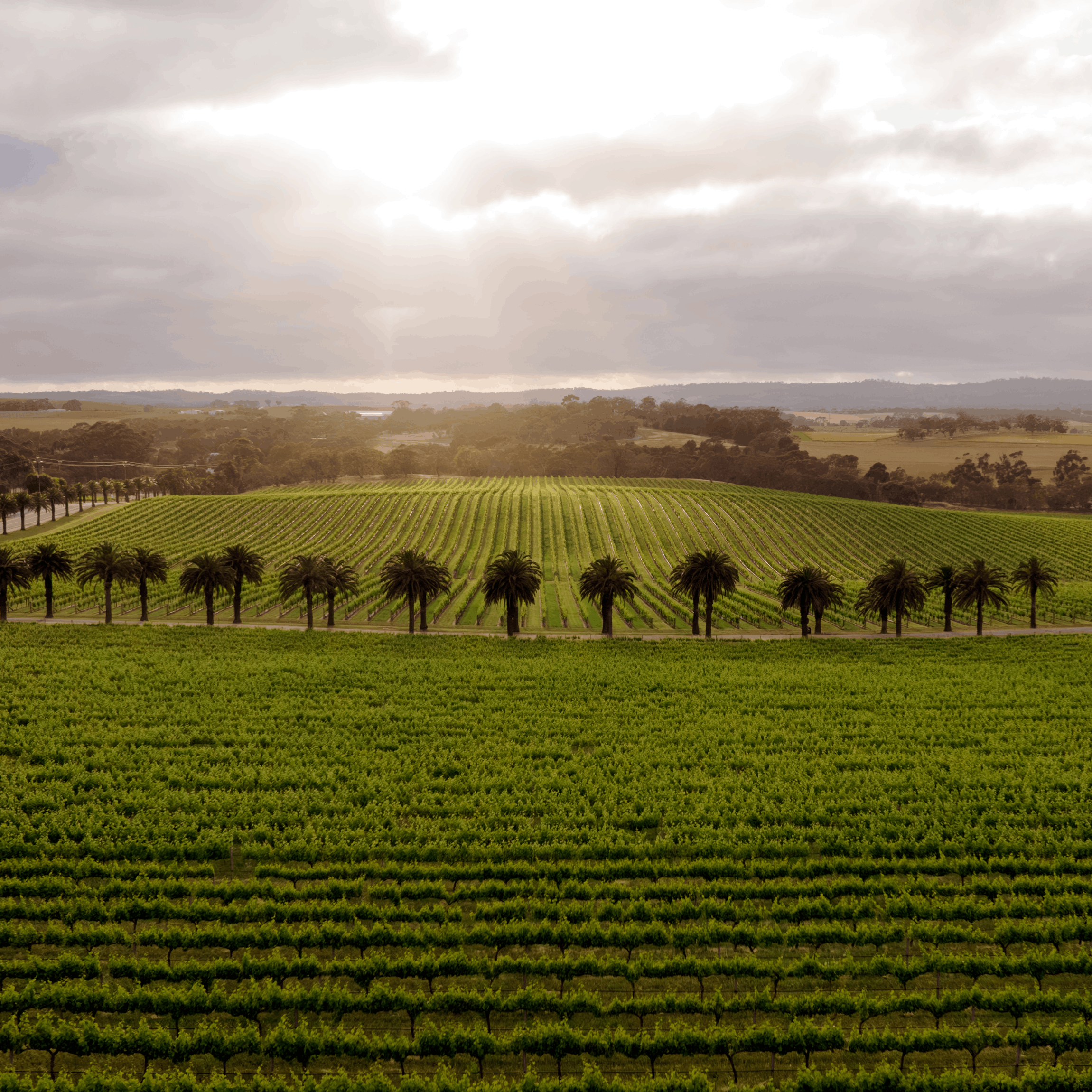
Gnadenfrei South
Elevation 300m
Established 1957
5.35 hectares under vine
Established in 1957, Gnadenfrei South carries some of the estate’s oldest plantings, rooted deep in the Western Ridge at 300 metres elevation. With average annual rainfall of 500mm and an easterly-facing, terraced aspect, the site benefits from cool morning light and steady ripening conditions across the growing season.
Clay loam over red medium clay soils provide structure and moisture retention, supporting low yields of around 4 tonnes per hectare across 5.35 hectares under vine. Shiraz, Grenache, Mataro and Grenache Blanc thrive here, shaped by elevation, heritage and soils that have quietly sustained vines for decades.
Greenock Creek
Elevation 246m
Established 2007
7.6 hectares under vine
Established in 2007, Greenock Creek sits at 246 metres on westerly-sloping ground, the youngest of our estate blocks. Loam topsoil over deep friable red-brown clay gives the vines depth and holds moisture through the dry months.
Yields run at around 4 tonnes per hectare across 7.6 hectares under vine. Shiraz and Savagnin are planted here, shaped by the westerly aspect and the warmer afternoon light it draws.
Every decision begins in the soil
At Tscharke we farm organically and biodynamically, treating the vineyard as a living system. We avoid synthetic chemicals, build soil health through compost and cover crops, integrate animals into the vineyard and work in rhythm with seasonal and lunar cycles.
Biodynamics, inspired by Rudolf Steiner's philosophy, views the farm as a self-sustaining organism connected to both earth and cosmos. It focuses on restoring soil vitality, encouraging biodiversity and creating balance between vine, land and farmer. It is holistic, long-term and deeply observational.
Living soils grow resilient vines. Resilient vines produce balanced fruit. In the glass that means purity, energy and a clear expression of site - wine shaped by season, soil and careful farming rather than heavy intervention.
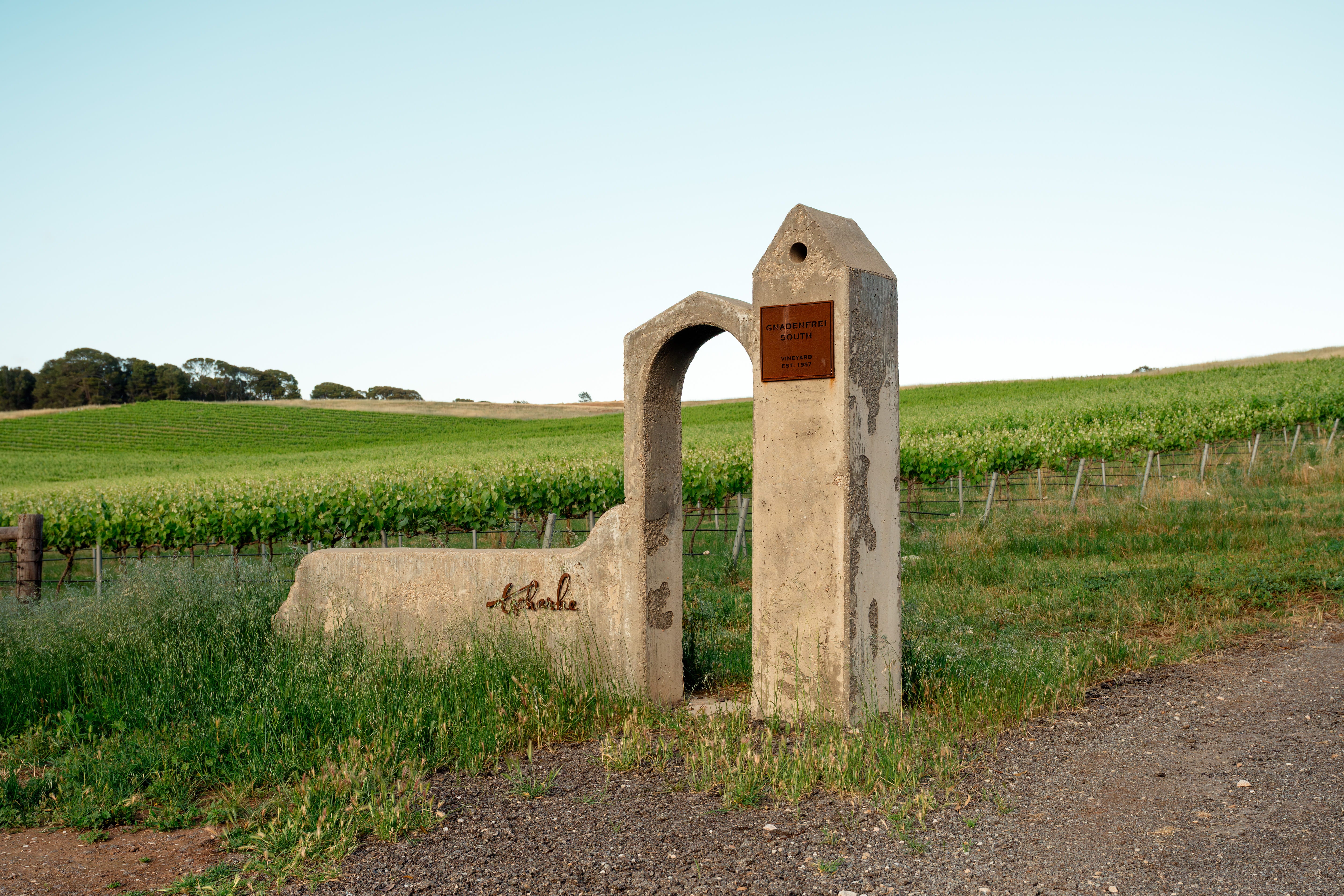
The Gnadenfrei expression
The Tscharke Gnadenfrei wines are the most elegant expression of this unique terroir. Offering finesse and poise, these wines emanate an energy that draws one to the glass, establishing a connection that goes beyond the sensory, into the realm of the emotional.
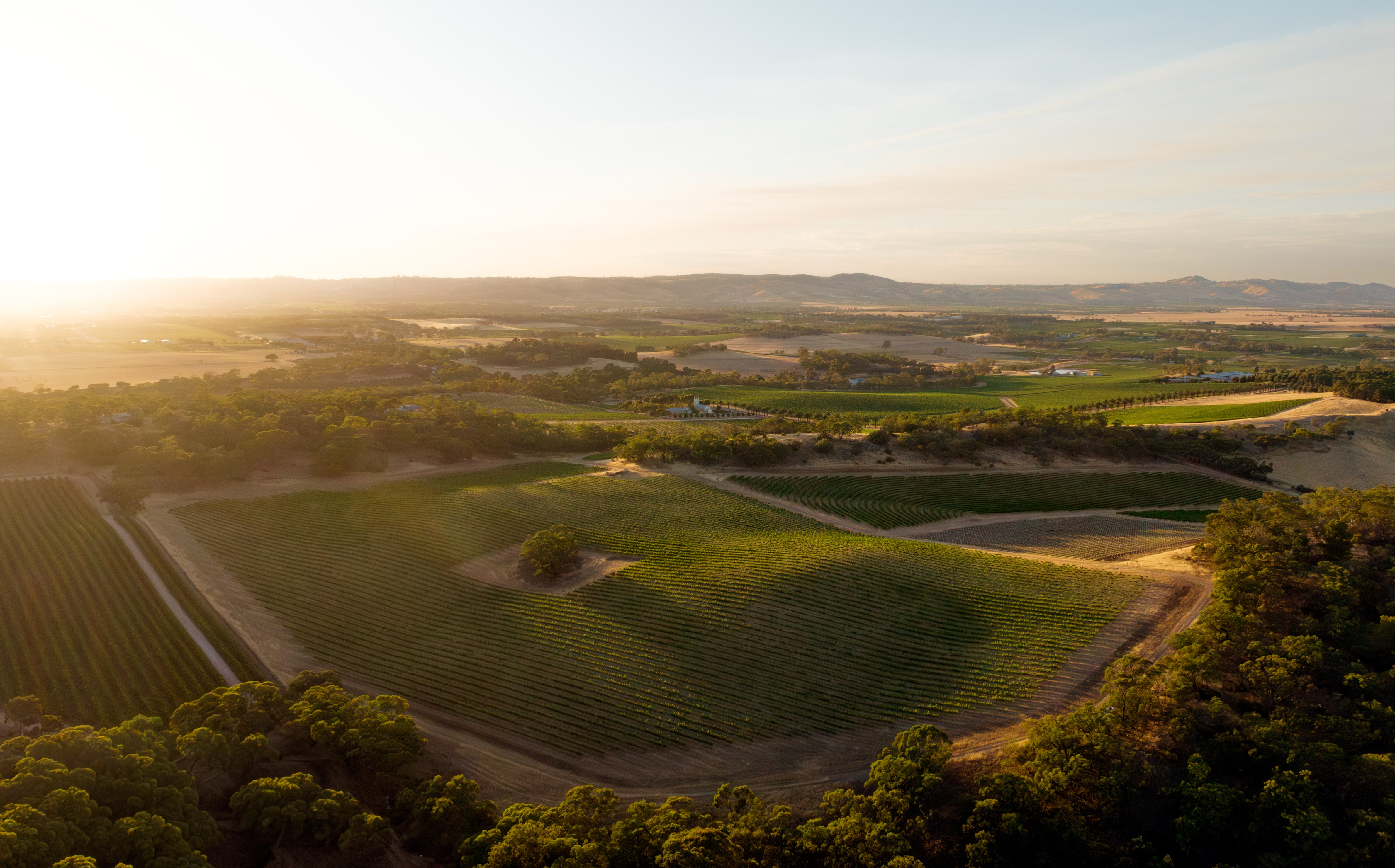
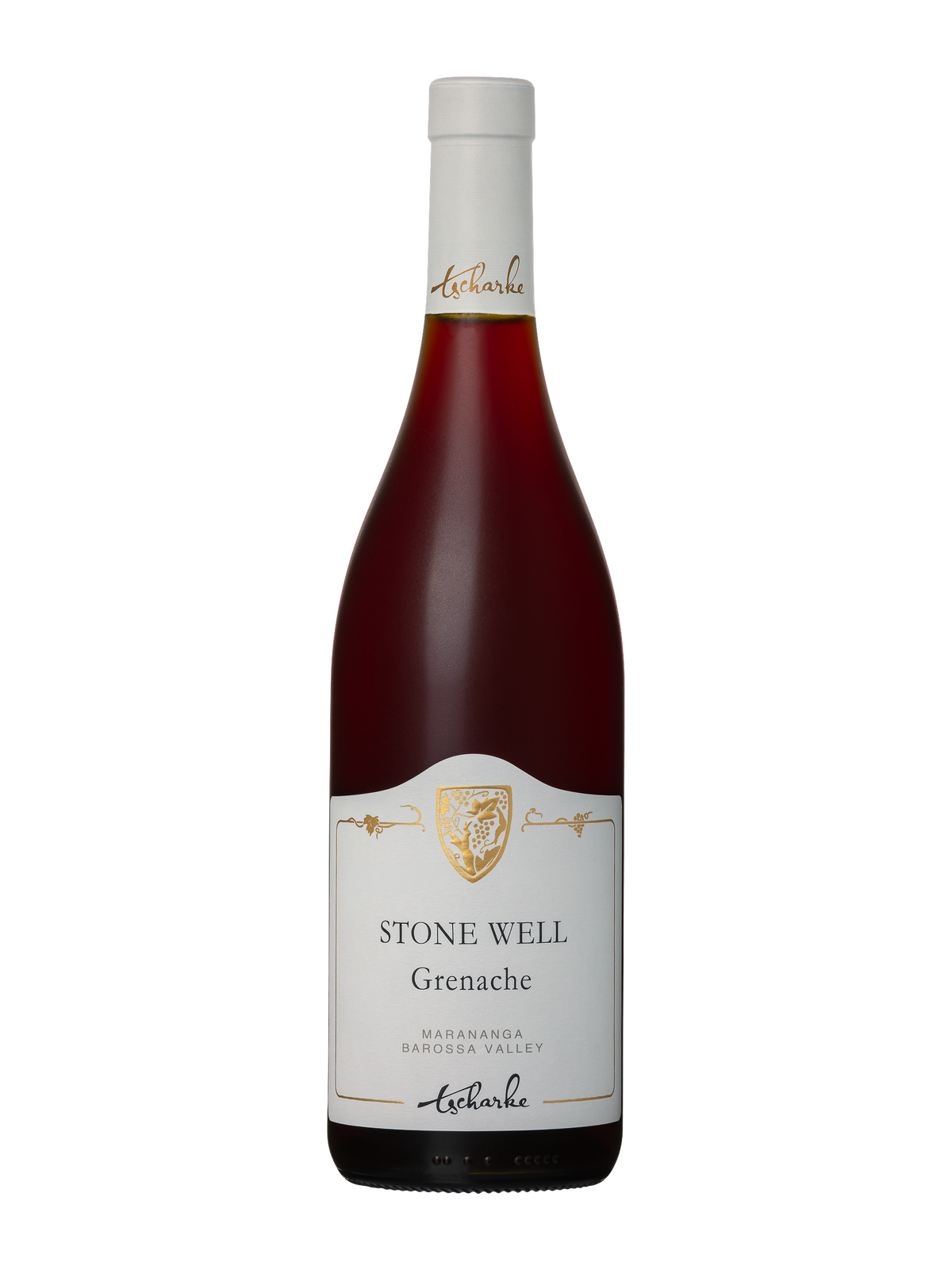
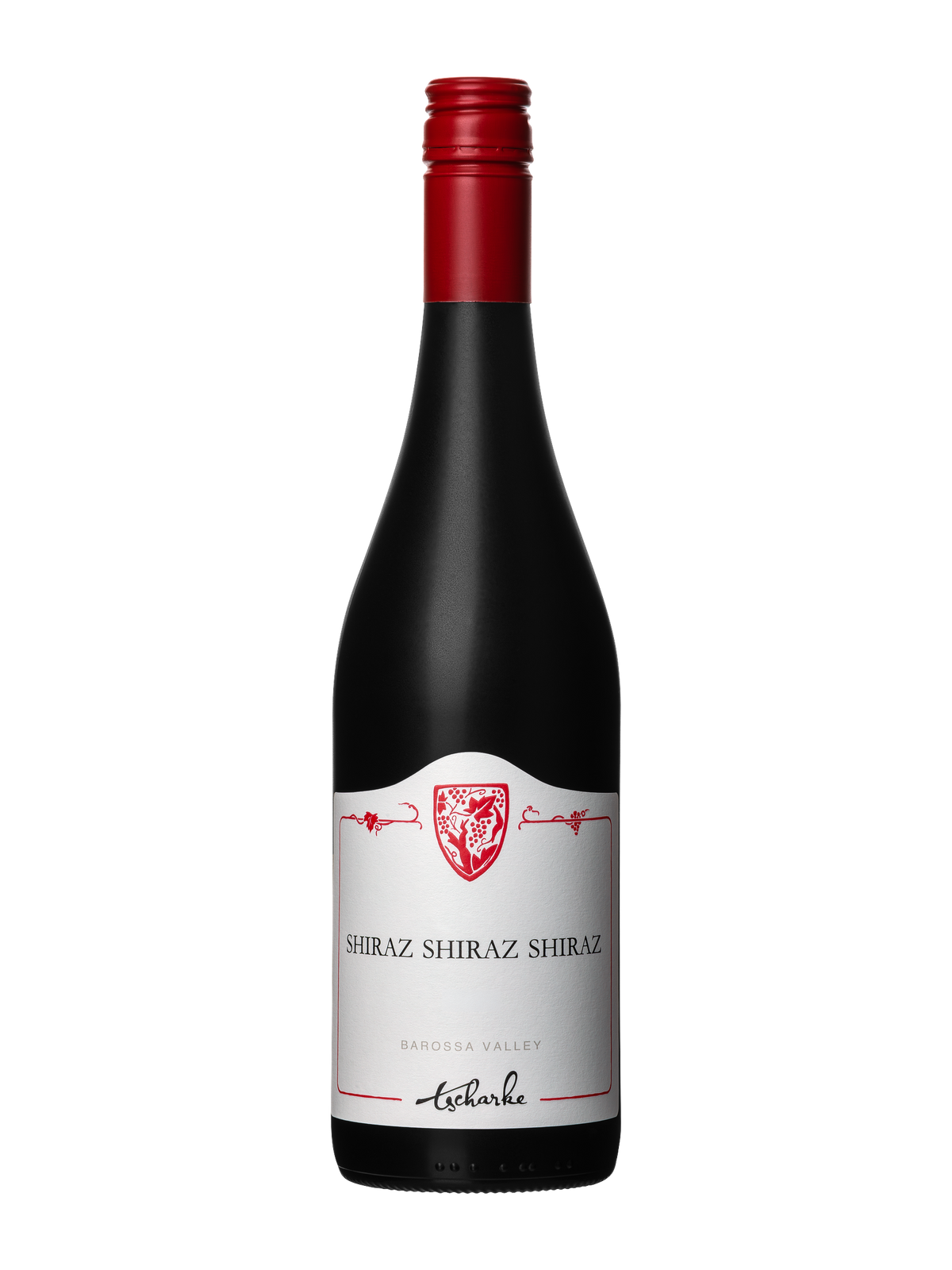
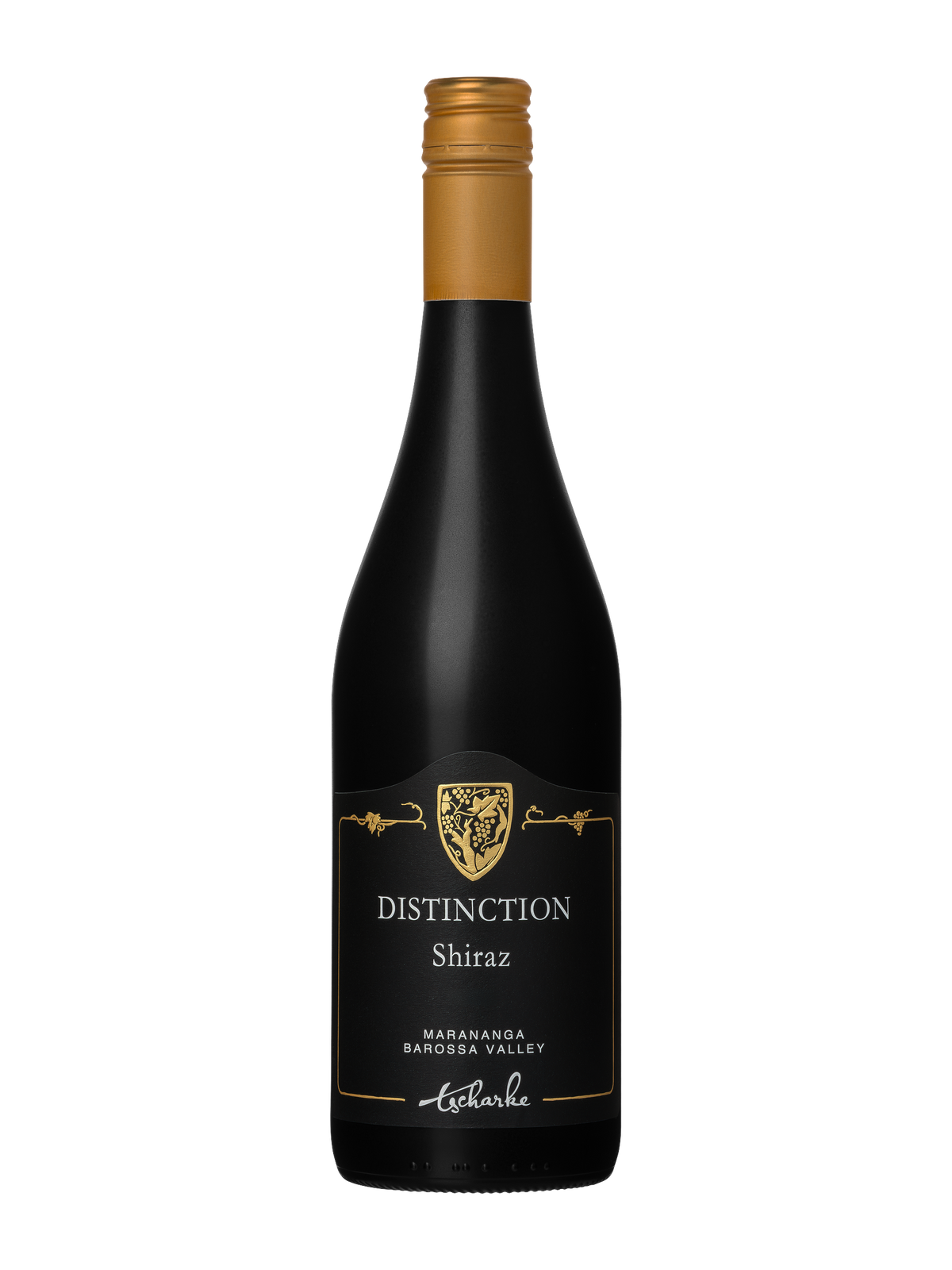
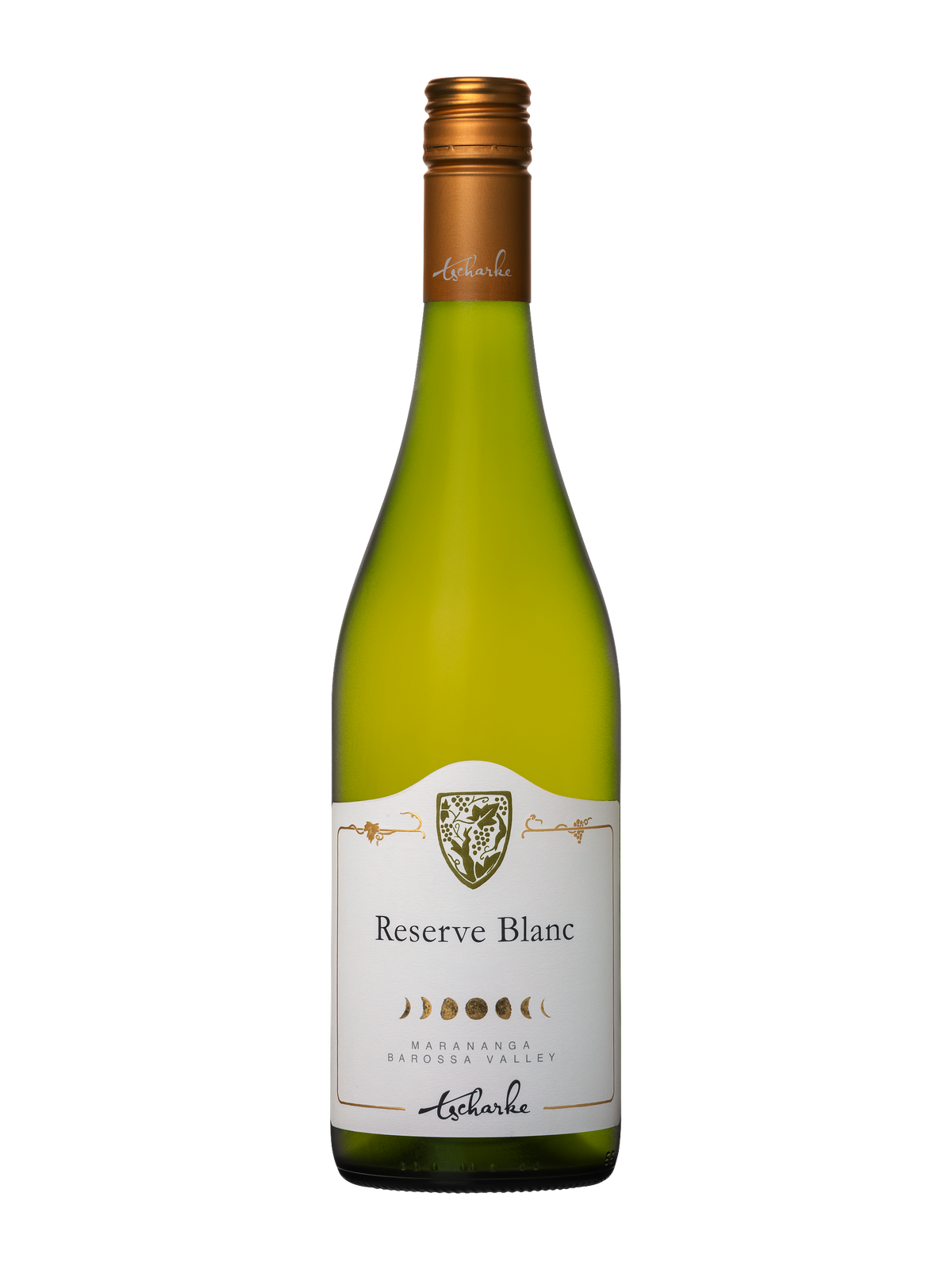
One from each block.
You’ve journeyed through our vineyards. Now taste them.
Frequently asked questions
The questions we are asked most about how these vineyards are farmed.
Vineyards
Yes. Tscharke Wines produces estate-grown wines from vineyards owned and farmed by the Tscharke family across the Barossa Valley.
Yes. Our vineyards are certified organic and farmed using biodynamic practices. We avoid synthetic herbicides, pesticides and fertilisers, focusing instead on compost, soil biology and long-term vineyard health.
Biodynamic farming treats the vineyard as a living ecosystem. It includes compost preparations, natural soil inputs and a holistic approach to vine health. The goal is balanced fruit, resilient vines and stronger soil biodiversity.
Soil composition influences water retention, root depth, vine stress and flavour concentration. The Western Ridge of the Barossa Valley is known for its ancient soils, which contribute to structure, minerality and longevity in our wines.
Grenache is drought tolerant, thrives in clay-based soils and performs well in warm Barossa conditions. It maintains structure and brightness even in challenging seasons.